Definition The heart is a muscular organ that pumps blood throughout the body, supplying oxygen and nutrients to tissues and removing carbon dioxide and other wastes. It is a vital organ that plays a central role in the cardiovascular system, and its proper functioning is essential for maintaining good health.
Synonyms The heart is also known as the cardiac organ or the myocardium. It is sometimes referred to as the "heart muscle" due to its muscular composition.
Causes / Etiology The causes of heart disease can be divided into several categories, including genetic, environmental, and lifestyle factors. Genetic factors, such as a family history of heart disease, can increase an individual's risk of developing heart problems. Environmental factors, such as air pollution and exposure to toxins, can also contribute to heart disease. Lifestyle factors, such as a poor diet, lack of exercise, and smoking, are also major contributors to heart disease. Additionally, certain medical conditions, such as high blood pressure and diabetes, can also increase the risk of heart disease.
Types / Classification There are several types of heart disease, including coronary artery disease, heart failure, and arrhythmias. Coronary artery disease occurs when the coronary arteries, which supply blood to the heart, become narrowed or blocked. Heart failure occurs when the heart is unable to pump enough blood to meet the body's needs. Arrhythmias are abnormal heart rhythms that can be caused by a variety of factors, including heart disease, electrolyte imbalances, and certain medications. Each type of heart disease has its own unique causes, clinical features, and treatment options.
Pathophysiology / Pathology The pathophysiology of heart disease involves a complex interplay of factors, including inflammation, oxidative stress, and endothelial dysfunction. Inflammation can damage the blood vessels and increase the risk of heart disease. Oxidative stress can also contribute to heart disease by damaging the blood vessels and increasing the risk of atherosclerosis. Endothelial dysfunction, which occurs when the lining of the blood vessels becomes damaged, can also increase the risk of heart disease. Understanding the pathophysiology of heart disease is essential for developing effective treatment strategies.
Clinical Features The clinical features of heart disease can vary depending on the type and severity of the disease. Common symptoms of heart disease include chest pain, shortness of breath, and fatigue. In some cases, heart disease may not produce any symptoms at all, and the disease may only be detected during a routine medical examination. Acute heart disease, such as a heart attack, can produce severe symptoms, including severe chest pain and difficulty breathing. Chronic heart disease, such as heart failure, can produce more subtle symptoms, such as fatigue and swelling in the legs.
Complications The complications of heart disease can be severe and life-threatening. Acute complications, such as a heart attack or stroke, can occur suddenly and require immediate medical attention. Chronic complications, such as heart failure and arrhythmias, can develop over time and require ongoing medical management. Preventing complications is essential for maintaining good health and reducing the risk of heart disease.
Investigations / Diagnosis The diagnosis of heart disease typically involves a combination of medical history, physical examination, and diagnostic tests. Routine tests, such as an electrocardiogram (ECG) and chest X-ray, can help diagnose heart disease. Specific tests, such as an echocardiogram and cardiac catheterization, can provide more detailed information about the heart and its blood vessels. Confirmatory tests, such as a coronary angiogram, can help confirm the diagnosis and guide treatment.
Differential Diagnosis The differential diagnosis of heart disease includes a range of other medical conditions that can produce similar symptoms. Key points to consider in the differential diagnosis include the patient's medical history, physical examination, and diagnostic test results. Other medical conditions, such as pulmonary embolism and pneumonia, can produce symptoms similar to those of heart disease. A thorough medical evaluation is essential for making an accurate diagnosis.
Management / Treatment The management of heart disease typically involves a combination of lifestyle modifications, medications, and medical procedures. General management involves making healthy lifestyle choices, such as eating a healthy diet and getting regular exercise. Modern medicine treatment involves using medications, such as beta blockers and statins, to manage symptoms and slow disease progression. Diet and lifestyle advice, such as reducing salt intake and quitting smoking, can also help manage heart disease.
Homeopathic Therapeutics Several homeopathic remedies can be used to treat heart disease, including:
- Arnica montana: used to treat shock and trauma
- Crataegus oxyacantha: used to treat heart failure and arrhythmias
- Digitalis purpurea: used to treat heart failure and atrial fibrillation
- Kali mur: used to treat heart failure and edema
- Lachesis mutus: used to treat heart disease and hypertension
- Nux vomica: used to treat heart disease and arrhythmias
- Strophanthus hispidus: used to treat heart failure and arrhythmias Each remedy has its own unique characteristics and is used to treat specific symptoms and conditions.
Prognosis The prognosis of heart disease depends on the type and severity of the disease, as well as the effectiveness of treatment. With proper treatment, many people with heart disease can lead active and healthy lives. However, heart disease can be a serious and life-threatening condition, and prompt medical attention is essential for preventing complications and improving outcomes.
Prevention Preventing heart disease is essential for maintaining good health and reducing the risk of complications. Lifestyle modifications, such as eating a healthy diet and getting regular exercise, can help prevent heart disease. Avoiding tobacco and limiting alcohol consumption can also help prevent heart disease. Regular medical check-ups and screenings can help detect heart disease early, when it is easier to treat.
Diet A healthy diet is essential for maintaining good heart health. Recommended foods include fruits, vegetables, whole grains, and lean proteins. Avoided foods include those high in salt, sugar, and saturated fats. A healthy diet can help reduce the risk of heart disease and improve overall health.
References Various medical textbooks, including those on principles and practice of medicine, medicine, and preventive and social medicine, provide detailed information on heart disease and its management. Homeopathic textbooks, such as Boericke's Materia Medica and Allen's Keynotes of the Leading Remedies, provide information on homeopathic remedies used to treat heart disease.
Related Diagrams
<div align="center">
By <a href="//commons.wikimedia.org/wiki/User:ZooFari" class="mw-redirect" title="User:ZooFari">ZooFari</a> edited in Persian by <a href="//commons.wikimedia.org/wiki/User:Alborzagros" title="User:Alborzagros">Alborzagros</a> (CC BY-SA 3.0)
</div> <div align="center">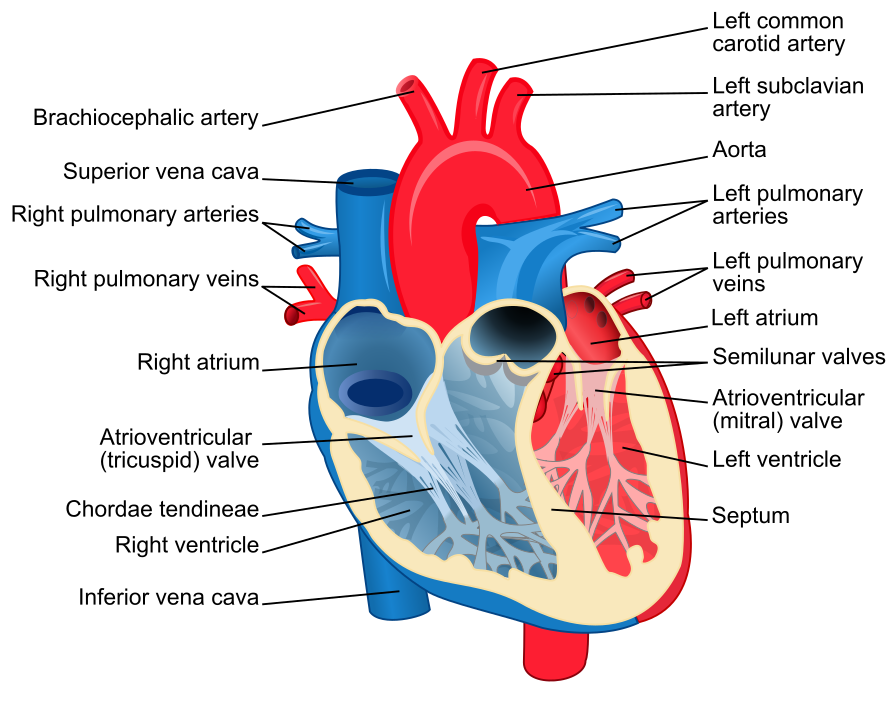
By <a href="//commons.wikimedia.org/wiki/User:ZooFari" class="mw-redirect" title="User:ZooFari">ZooFari</a> (CC BY-SA 3.0)
</div>